Taranjot Kaur Sandha
24-Nov-2026
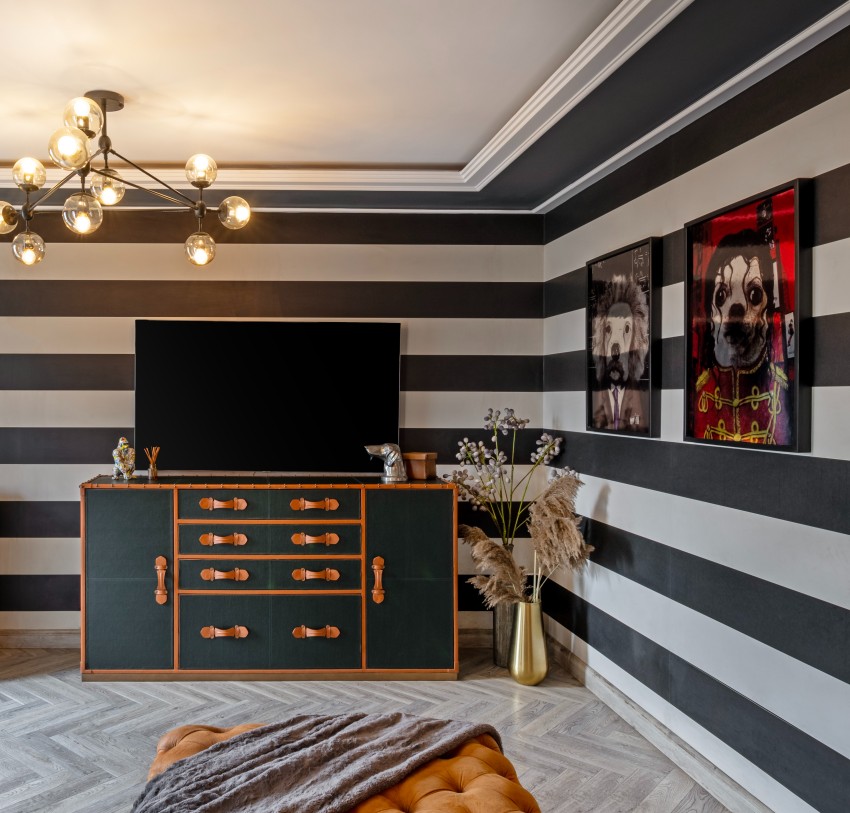
What makes a space exceptional is its ability to reflect the individuality of its occupants while maintaining a sense of coherence and timelessness.
By Taranjot Kaur Sandha, Co-founder, Nohea House of Design
The most extraordinary spaces are often defined by the things we do not immediately notice. The thought behind a proportion, the precision of a detail, the intelligence behind a layout and a deep understanding of how people experience a space are what elevate design from simply beautiful to truly exceptional.
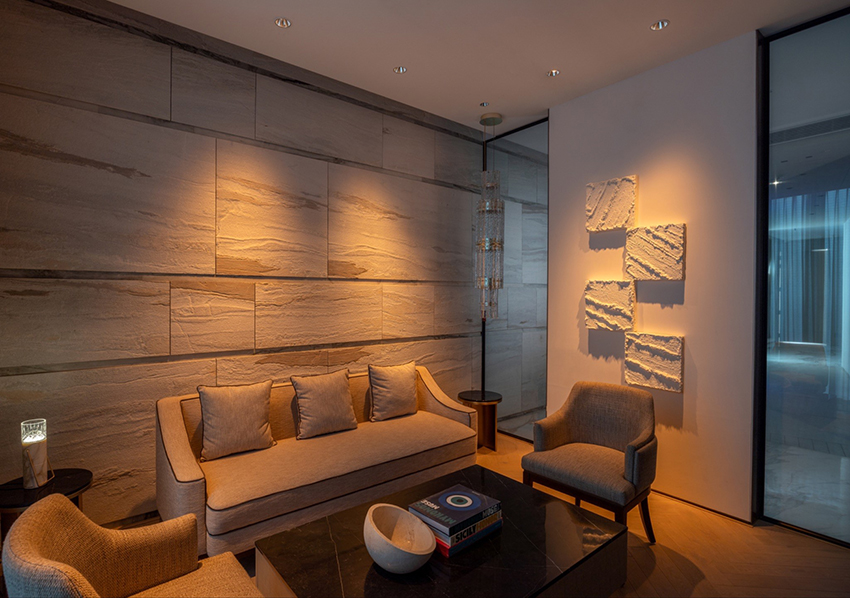
When we walk into a beautifully designed space, our attention is naturally drawn to what is visible: an interesting piece of furniture, an exquisite material, a striking artwork or a beautifully composed room. Over the years, I’ve realised that what makes a space truly exceptional goes far beyond what meets the eye. It is in positioning a wall to improve flow, choosing a stone for how its texture catches light, and designing a home that balances everyday living with aesthetics.
These are decisions that rarely receive attention, yet they define the experience of a space. To me, this is where the real art of interior design lies.
The Intelligence Behind Aesthetics
Good design often begins with a visual idea. Exceptional design begins with questioning that idea.
I often ask myself, Does the space feel balanced? Does the lighting complement the architecture, do the materials work in harmony, and does the layout respond naturally to the people living in it?
In luxury residential design, these considerations matter even more. A home is not a showroom but a personal, evolving space that must reflect individual lifestyles, preferences and aspirations. This understanding shapes my approach to every project, beginning not with a style or trend, but with an understanding of the people, the architecture and the experience the space should create. Sometimes, good design is defined as much by what we leave out as by what we choose to include.
The Luxury of Restraint
I believe luxury today is less about abundance or ornamentation and more about individuality, refinement and the art of restraint. A material should speak for itself, statement furniture should have room to stand out, and lighting should create an atmosphere rather than simply illuminate a space.
In bespoke homes, every detail matters, from the interplay of light, materials to furniture proportions and the placement of objects, all shaping how a space feels.
Where Craftsmanship Becomes Invisible
One of the most fascinating aspects of interior design is the relationship between what is imagined and what is ultimately created.
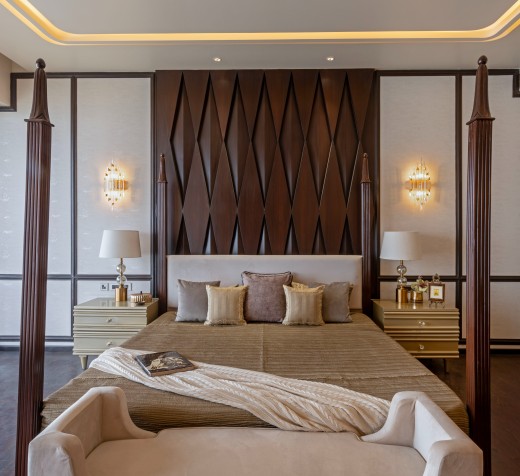
A design may appear effortless in its final form, but achieving that simplicity often involves considerable technical understanding, coordination and refinement. Joinery, edge details, material junctions, finishes and proportions are decisions that may seem insignificant individually but collectively determine the quality of the finished space.
This is also why I believe furniture deserves to be considered an integral part of interior architecture rather than simply an element placed within it. The scale of a sofa, the silhouette of a dining table, the detailing of a headboard or the finish of a cabinet can influence the entire character of a room. Sometimes, achieving the right result requires moving beyond ready-made selections.
Our expansion into furniture manufacturing at Nohea has grown from this understanding. It allows us to explore bespoke pieces that respond to the specific proportions, materials and design language of a project. The intention is to bring the creative vision and the making process closer together, so that craftsmanship becomes an extension of the design rather than a separate consideration.
Designing for Different Experiences
The art of the unseen takes different forms across spaces. In a home, it is about privacy, comfort and daily routines; in a resort, its connection with the landscape; and in hospitality, how lighting, spatial flow and materials subtly shape the guest experience.
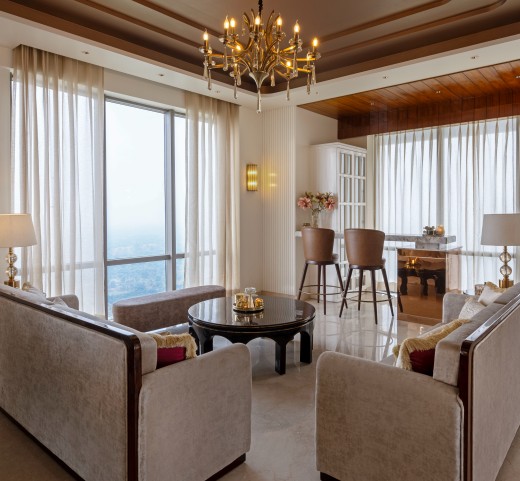
In my view, every environment requires a distinct design approach, shaped by its architecture, surroundings and the way people use it. Design should respond to its context rather than impose a predetermined language. Whether creating a personal residence or a space that welcomes many, every decision should contribute meaningfully to the overall experience.
The Journey from Thought to Experience
Another aspect of exceptional design is the ability to translate a concept into reality. Beyond the initial vision, it is the material selection, detailing, site coordination and craftsmanship that bring a space together. I see the value of an integrated approach in ensuring that the original design intent is carried through every stage of execution.
The real achievement lies in making complex decisions feel effortless in the finished space. For me, that is what sets exceptional design apart: it goes beyond aesthetics to anticipate needs, create an atmosphere and establish a lasting connection.
As a designer, I often find that the most thoughtful decisions are those that go unnoticed. The finest spaces do not need to draw attention to themselves; they simply feel intuitive, effortless and complete. Perhaps that is the true art of the unseen.